Spitzkoppe Travel Guide for Camping, Hiking & Stargazing
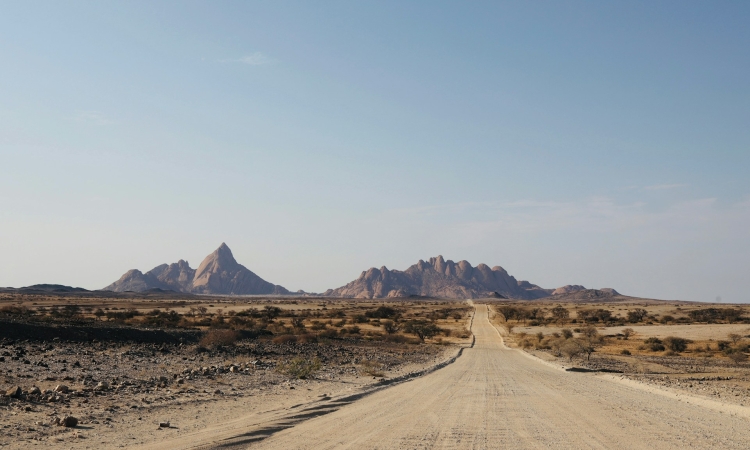
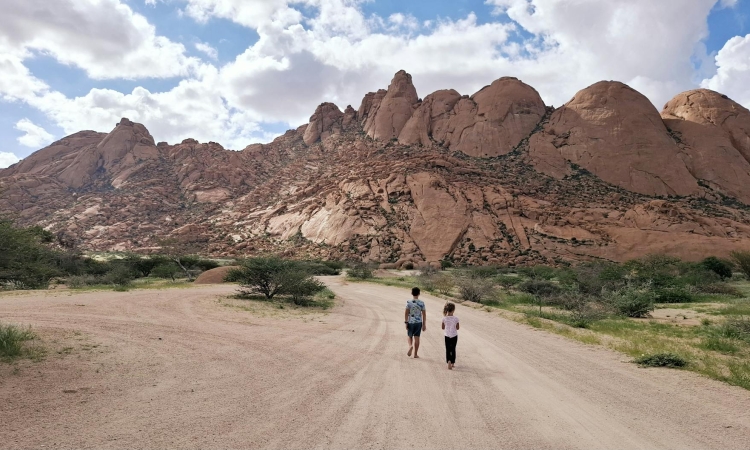
Driving through flat Namib Desert and suddenly massive orange rocks appear from nowhere. No gradual hills. No warning. Just giant granite peaks shooting straight up from the ground like nature’s skyscrapers.
This is Spitzkoppe. And it looks nothing like the rest of Namibia.
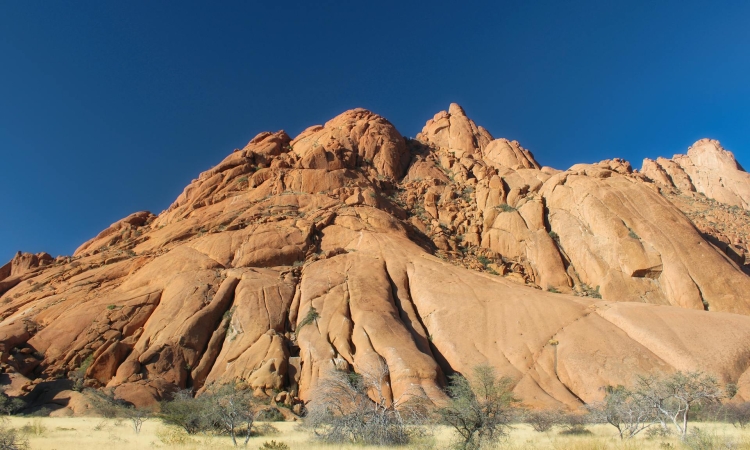
Most travelers rushing between Swakopmund and Etosha pass the turnoff without stopping. They’re missing something extraordinary. These 700 million year old granite formations create one of the most striking landscapes in Southern Africa.
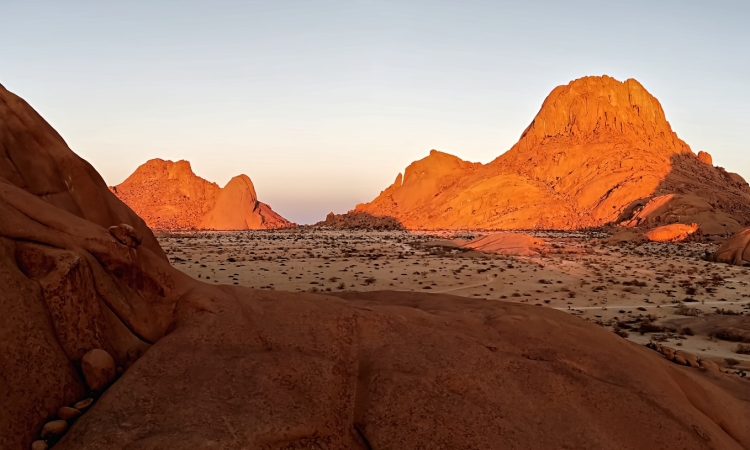
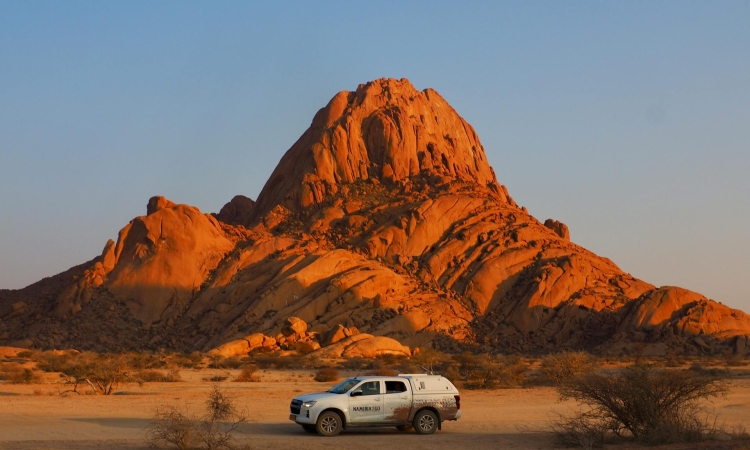
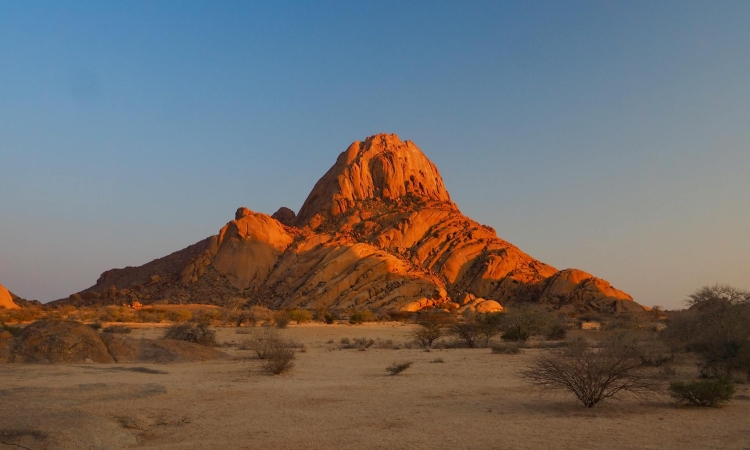
The rocks glow orange at sunset. Stars fill the sky so densely the Milky Way looks three dimensional. Campsites hide between boulders in complete silence. And there’s not a tour bus in sight.
This isn’t a resort destination. There’s no restaurant. No gift shop selling overpriced magnets. Just rock, sky, and some of the most dramatic camping you’ll ever experience.
Let’s talk about what actually matters when you’re planning to visit.
Spitzkoppe Entry Fees & Camping Costs
Spitzkoppe entry fees are an important detail for travelers planning to visit this well known landmark in Namibia. Because Spitzkoppe is a protected area, all visitors must pay an entry fee before entering.
Entry fees may change, but the general prices are as follows.
Day Visitors:
- Adults: Approximately N$180
- Children aged 4 to 11: Around N$120
Overnight Visitors & Camping Fees:
- Camping adults: Around N$300 per person
- Camping children aged 4 to 11: About N$200 per child
Camping fees are higher because they include use of campsite facilities. Campsites are inside the reserve and should be booked in advance, especially during busy travel periods.
Some activities have extra costs. Visiting Khoisan rock art sites requires a guide, and guide fees are paid separately. Visitors are not allowed to access these areas on their own.
It is always a good idea to confirm the latest Spitzkoppe entry fees by checking official information or contacting the camp directly before traveling. This helps avoid surprises and ensures a smooth visit to this special desert destination.
Why Spitzkoppe Deserves More Than a Quick Stop
Most travelers treat Spitzkoppe like a rest break between Swakopmund and the north. They pull in, snap a few photos, and leave within an hour.
That’s a mistake.
The Spitzkoppe tourist attractions aren’t the kind you tick off a checklist in 45 minutes. The place reveals itself slowly. The rock arch looks completely different at 6 am versus 6 pm. The temperature swings from scorching hot to near freezing between day and night. Ancient San rock paintings tell stories thousands of years old.
You need time here. At minimum, one full night. Better yet, two. This isn’t a place to visit. It’s a place to experience. That takes time.
The local Damara community manages everything here. Camping fees go directly to them. No resort chain. No government bureaucracy. Just local people maintaining their land and welcoming visitors who respect it.
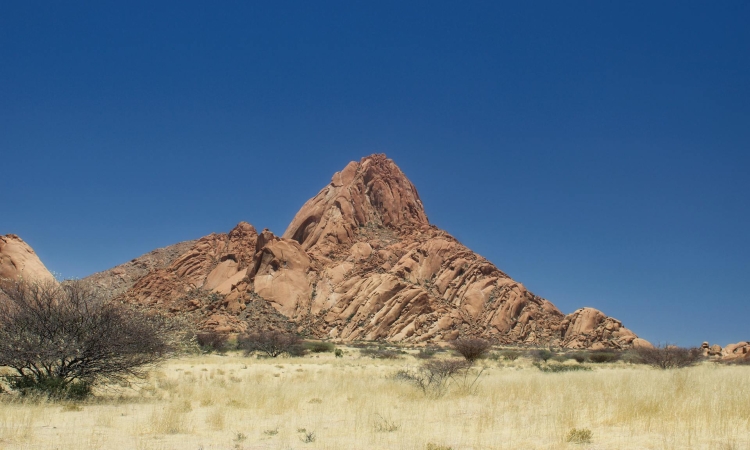
The mountain itself peaks at 1,728 meters, but the elevation isn’t what makes it special. It’s the shape. The way the rock formations cluster together like they were arranged by someone with an eye for composition. The locals call it the “Matterhorn of Namibia,” which undersells it if you ask me.
This place has been here for 700 million years. It existed before trees. Before grass. Before almost anything you’d recognize as life.
You can feel that age when you’re there.
How to Get to Spitzkoppe Namibia
The coordinates are straightforward. The execution? Less so.
Spitzkoppe sits about 120 kilometers inland from Swakopmund, right off the C35 road. If you’re doing the standard Namibia self-drive circuit, it falls perfectly between the coast and the northern parks.
The Spitzkoppe self drive travel guide part is simple: you need a vehicle. Public transport doesn’t exist out here. Your options are renting a car or booking a tour that includes Spitzkoppe, which defeats half the point.
Most rental sedans can technically make it. The access road is graded gravel, not brutal 4×4 terrain. But here’s what the rental companies won’t tell you: that gravel gets washboarded. Your suspension will hate you. Your passengers will hate you more.
A higher-clearance vehicle makes the trip significantly more pleasant. You don’t need a full Land Cruiser setup, but a compact SUV saves you from rattling your teeth loose.
The turn-off from the B2 highway is well-marked. Once you’re on the C35, watch for the Spitzkoppe Community Campsite sign. The last 15 kilometers require attention. The road narrows. Livestock appears randomly. Drive like you’re sharing space with animals who’ve never heard of traffic laws.
GPS works, but barely. Cell service drops completely about halfway there. Download your maps offline before you leave Swakopmund.
Best Time to Visit Spitzkoppe
The best time to visit Spitzkoppe depends on what you can tolerate.
Namibia’s winter months (May through September) bring perfect daytime temperatures. Think 20-25°C under clear skies. Nights drop hard though. We’re talking near-freezing in June and July. If you’re camping, that matters.
Summer (November through March) cranks the heat. Daytime temps push past 35°C. The rock radiates heat like an oven. Shade becomes currency. But the light during summer sunrise and sunset? Absolutely ridiculous in the best way.
Here’s the pattern most people miss: the Spitzkoppe travel guide articles all recommend winter because it’s “comfortable.” Which means everyone shows up between June and August. The campsites fill faster. The rock arch gets crowded during golden hour.
Shoulder seasons (April, October) give you the sweet spot. Fewer people, reasonable temperatures, and dramatic cloud formations that winter’s clear skies can’t match.
Rainfall is minimal year-round. When it does rain (usually January or February), it comes fast and hard. The dry riverbeds flood. The roads turn to soup. If you’re there during a storm, you’re stuck until it dries out.
Plan accordingly.
What to See in Spitzkoppe
The rock arch gets all the Instagram attention. It’s the formation everyone photographs, usually with a person standing underneath for scale. Yes, it’s impressive. Yes, you should see it.
But it’s not the main event.
The real draw is the landscape as a whole. The way the smaller kopjes (boulder hills) surround the main peak. The negative space between formations. The fact that you can climb on, around, and through most of it without permits or guides.
Start with the rock paintings. Several sites around the base feature ancient San artwork. You’ll need a guide from the community campsite to find them, which costs extra but it’s worth it. The paintings aren’t dramatic or colorful like some you’ll see elsewhere in Africa. They’re faded, subtle, easy to miss if you don’t know what you’re looking for.
But they’re real. And old. And standing there looking at them beats staring at your phone.
The Pontok Mountains formation sits northeast of the main peak. Most people skip it entirely, which is why you shouldn’t. The rock formations here are tighter, more maze-like. Better for exploring if you enjoy scrambling over boulders.
Sunset from any elevated position delivers exactly what you’d expect. The granite turns orange, then red, then purple. The shadows go long. Every photographer within 50 kilometers points their camera west.
Sunrise is better, honestly. Fewer people awake. The light comes from the east, which means the main peak lights up while the foreground stays dark. The temperature is perfect. The air is still.
Set your alarm.
Things to Do in Spitzkoppe
The Spitzkoppe camping guide experience isn’t passive. You’re not booking activities through a concierge. You’re making your own entertainment.
Bouldering and scrambling are the main draw for active types. No technical climbing gear required for most routes. Just decent shoes and common sense. The rock is solid granite, which means good friction and stable handholds.
People have been climbing Spitzkoppe since the 1940s. Established routes exist if you’re into proper rock climbing. Some reach advanced difficulty levels. But for casual scramblers, the boulders around the campsites provide hours of exploration.
Hiking trails range from nonexistent to vaguely defined. This isn’t a national park with marked paths and distance signs. You pick a direction and walk. The terrain guides you naturally. Dry riverbeds make decent paths. Boulder fields require picking your route carefully.
The trail to the rock arch takes about 20 minutes from the main camping area. It’s more of a walk than a hike. Even if you’re not particularly fit, you’ll manage it fine.
Summiting the main peak requires experience and gear. It’s a proper climb, not a hike. Don’t attempt it solo unless you actually know what you’re doing.
Photography is the obvious activity. The landscape practically shoots itself during golden hour. Even mediocre photographers get decent shots here.
But here’s what separates snapshot-takers from people who actually see: stick around after sunset. The night sky at Spitzkoppe is absurd. Zero light pollution. The Milky Way isn’t just visible, it’s dominant. You can see cloud detail in the galactic core with your naked eye.
Bring a tripod. Learn long exposure basics. The photos you’ll take at night will outlast any sunset shot.
Stargazing deserves its own mention. This is one of the darkest places you’ll experience unless you regularly camp in the middle of nowhere. The Southern Hemisphere sky shows constellations most northern travelers have never seen.
The Magellanic Clouds (small galaxies visible only from the south) look like detached pieces of the Milky Way. The Southern Cross sits obvious and clear. Jupiter and Saturn, when in season, cast actual shadows.
No telescope needed. Just lie on a rock and look up.
Spitzkoppe Camping Guide
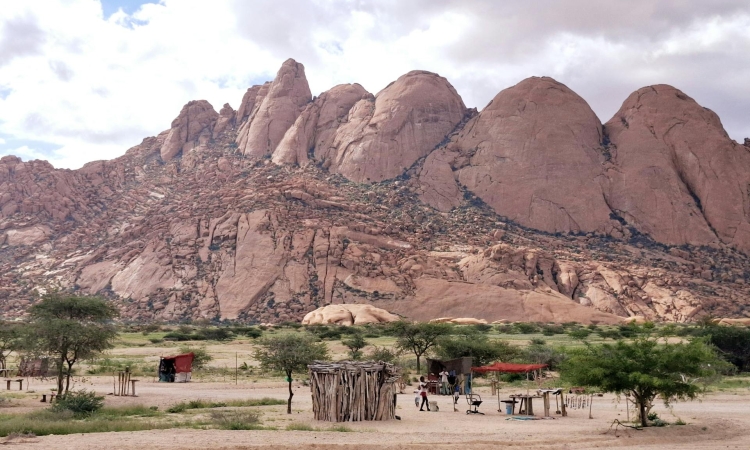
The Spitzkoppe Community Campsite is locally run. You check in at a small office near the entrance. Payment is cash only. Namibian dollars or South African rand. They’ll accept USD in a pinch but the exchange rate won’t favor you.
Each campsite is basically a clearing among the boulders with a fire pit. Some have small rock walls providing wind breaks. Some are completely exposed. They’re not numbered on a map. You drive around and claim one that’s open.
The premium spots nestle right against large boulder formations. You get natural shade, wind protection, and dramatic backdrops for your camp photos. These fill first.
Facilities are basic. Pit toilets scattered throughout. A central ablution block with cold showers. No electricity at individual sites. No wifi. No cell service.
What you need to bring:
All your food and water (water is available at the office but bring your own containers). All camping gear including tent, sleeping bag, cooking equipment. Firewood). More warm layers than you think (even in summer, desert nights get cold). A good headlamp (essential for moving around after dark). Cash for the entrance and camping fees.
The sites operate first-come, first-served. No reservations. During peak season (June-August), arriving after 2 PM might mean slim pickings. In shoulder seasons, you’ll have your choice.
Some people ask: is Spitzkoppe worth visiting if you’re not into camping?
Honestly? Not really. Day visits work if you’re passing through, but you’ll miss what makes this place special. The full experience requires spending a night under those rocks, watching the temperature drop, seeing the stars emerge.
Spitzkoppe Travel Tips
Temperature swings are real. Pack like you’re visiting two different climates. Afternoon temperatures in exposed rock areas can hit 40°C in summer. That same campsite drops to 5°C before sunrise. Layer accordingly.
Bring better food than you think. You’re not roughing it for survival. This is your dinner entertainment. No restaurants exist for 100 kilometers. Whatever you cook over your fire is the evening’s main event.
The rock retains heat. Those boulders absorb sun all day and radiate it back for hours after sunset. Find a boulder that’s been in shade during the afternoon, set up a chair next to it after dark. Free heating.
Wind picks up afternoon. Morning is calm. By 2 PM, the wind blows hard enough to scatter anything not secured. Tent stakes need to be solid. Loose items need to be locked in vehicles.
Animals are minimal but present. Small antelope sometimes. Rock hyrax (they look like oversized guinea pigs). The occasional jackal at night. Nothing dangerous. Nothing that’ll raid your camp. But secure your food anyway.
Guides are available for rock art tours. You’ll find them at the check-in office. The tours aren’t expensive and they know which paintings are actually worth seeing. Skip this only if you enjoy wandering around hoping to stumble on faded 4,000-year-old artwork.
The rock arch gets crowded during peak sunset hours. If you want it to yourself, go at 7 AM. The light is arguably better anyway.
Is Spitzkoppe Worth Visiting?
If you need organized activities, guided experiences, and modern amenities, no. Skip Spitzkoppe entirely.
If you want resort-style comfort with a view, look elsewhere. Namibia has plenty of lodges that offer granite scenery without the DIY camping requirement.
But if you’re the type who finds satisfaction in self-sufficient travel? If sleeping under legitimate wilderness stars sounds better than air conditioning? If you’d rather spend an evening watching sunset on rocks than scrolling through someone else’s vacation photos?
Then yes. Spitzkoppe is worth rerouting for.
The Spitzkoppe Namibia travel guide decision comes down to this: it’s not for everyone, which is precisely why it works for the people who get it.
You won’t find crowds here. You won’t find infrastructure designed to insulate you from the environment. You won’t find anyone trying to sell you an “authentic African experience.”
You’ll just find rocks that have existed longer than most mountain ranges, a sky that still looks like it did before electricity, and enough space to remember what traveling used to feel like before everything became optimized and packaged.
Spitzkoppe doesn’t try to be anything other than what it is. A massive pile of ancient granite in the middle of nowhere, indifferent to whether you show up or not.
Which somehow makes showing up feel more worthwhile.